Decades in tech, the last with a UN agency
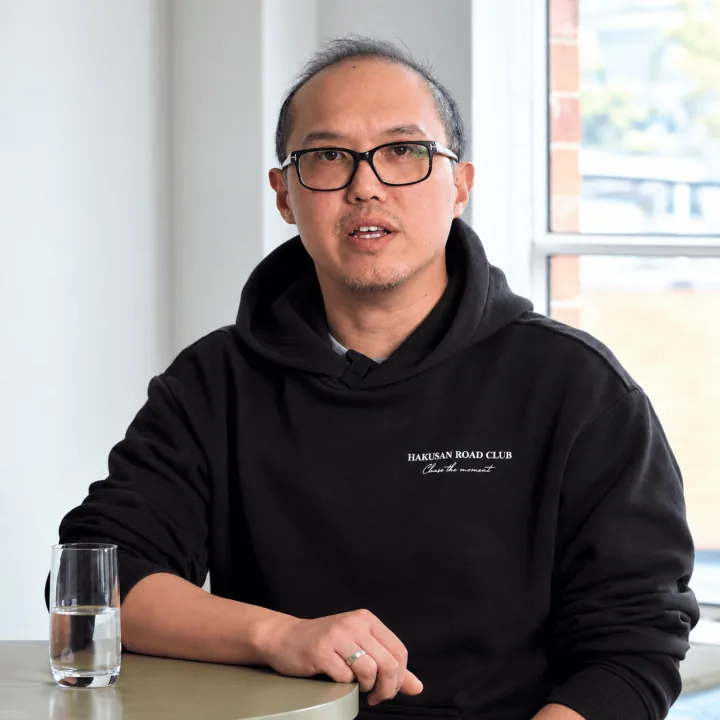
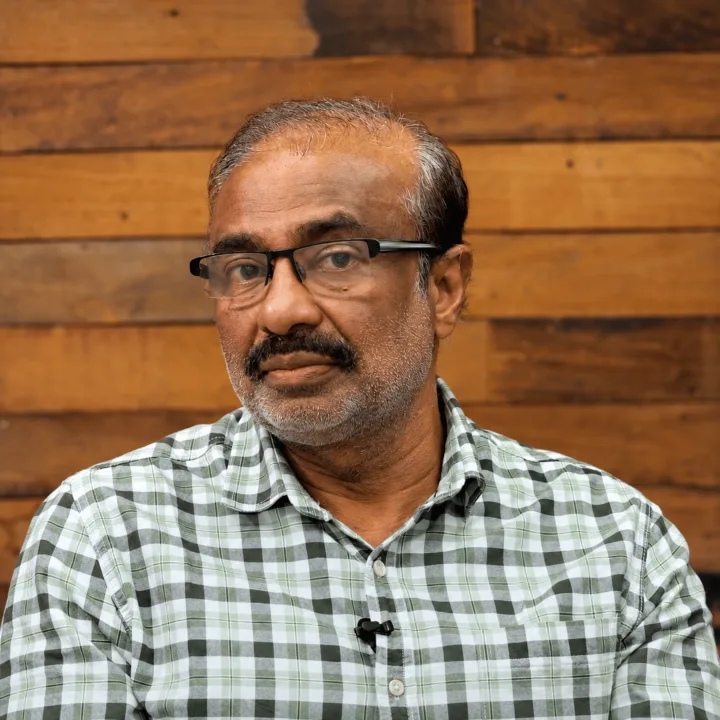
Dr Ameer Pichan has worked in the tech industry "for decades now in Australia and overseas". His last job was with the International Atomic Energy Agency, part of the United Nations system. There he worked on IT infrastructure and cybersecurity, then moved into a technology innovation role, "developing new technologies".
Then he came home. He returned to Australia and started a cybersecurity consulting firm of his own, in Perth.
Secure Your Business Online
The firm's name is an acronym, and he spells it out.
SYBO Tech describes itself as a cyber security, AI and cloud consultancy. Ameer describes himself more simply: "I'm a techie," he says. "I'm a solution provider."
S-Y-B-O, SYBO. It stands for Secure Your Business Online, SYBO Tech.
More ways in
His starting point is that AI has changed the risk. Organisations are using AI tools, many of them unknown quantities, and each one opens more ways in. The ways businesses have assessed and governed risk were not designed for that.
So now what the business does is that the business try to help the organisations to understand the additional risk they are exposed to because of using the AI solutions and how to mitigate it through proper risk measurement and risk mitigation measures…
Governance for an AI world
SYBO Tech's answer is structure. It sets out to help organisations build governance, risk and compliance around the way they now use AI, and to provide training and development for their staff. The site lists the same ground: governance, risk and compliance, AI cyber risk, and cyber resilience.
Whatever else the firm takes on, he is clear about the core: "primary focus still remains on the cybersecurity in an AI world."
So SYBO Tech is trying to help the organisation, trying to build up a strong governance structure through a governance risk and compliance architecture, building it in an AI world, and also provide training and development in their organisations.
AI for almost everything
He uses AI himself "for business almost for everything". That covers drafting emails to prospects, pitching solutions, and working out a prospect's business before he proposes anything. He also thinks through how the people he advises will use the same tools, so he can show them how to use them securely.
He is candid that he cannot put a number on the benefit yet. What he can point to is efficiency, and a message he gives the people he advises: adopt technology "without fear".
So I use the AI solutions, whatever is available to me for each and everything that I can think of, and also thinking how customers are going to use it so that I can tell them how better to use it in a secure way.
Expertise without a network
Decades of technical work did not come with a sales pipeline. "I don't have any kind of marketing skills," he says, and no business development background either. He came into the market "with a lot of unknowns and no networking capabilities and no contacts, no references".
AI Pathfinder connected him with people working through the same problems.
Well, one of the best thing that SMEC Pathfinder program is being able to connect with the people with the similar kind of things and being able to share.
A chance to be seen
The program also gave him something a technical founder rarely makes time for: a way to present himself. He says the best part may have been the session where this interview was recorded.
He would like more of it, and more of it face to face: "especially if it is in person than online", with sessions in Perth. His verdict on how it was run is brief: "very professionally managed."
We are given an opportunity to expose ourselves and to brand ourselves and to tell about ourselves and our capabilities to the public and hope this will help me.