An engineer who also reads the numbers
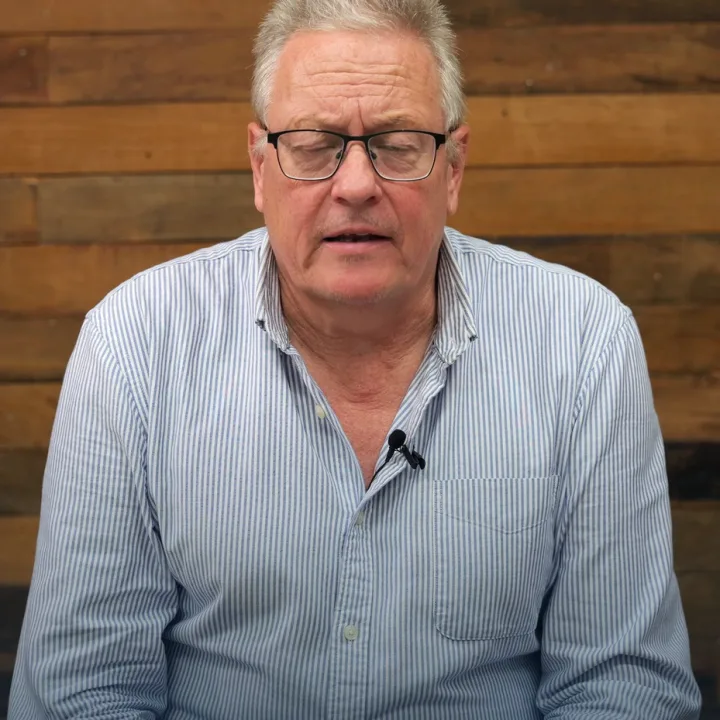
Martin Lodge is a civil engineer by training, with post-graduate qualifications in finance and economics. He has spent decades in the infrastructure sector.
Today he advises on major infrastructure projects, from first development to delivery, and across the commercial work in between.
And I basically act as an advisor for major infrastructure projects, their development, their delivery, project assurance, the risk management, the commercial structures, the procurement, all aspects of those major projects.
Small on purpose
A few years ago he set up his own firm, RL Wattle, in Perth. It works for the public and private sectors: transport, marine and rail projects, and social infrastructure such as hospitals, schools and justice facilities. It is based in Perth, with "reach across the country".
He kept it small, and personal.
And I set up a small advisory business a few years ago, and that has been very much a boutique business that's been providing advice to clients on a very personal level.
The research a small firm can't staff
Being small has a cost. RL Wattle has senior people with the experience to make the call, but not the research teams a large consultancy can put behind them.
That is where AI came in. He uses it to do the groundwork: find the key issues, test the assumptions in a brief, and look for the evidence on both sides.
The aim, in his words, is "the kind of scale that a large firm would have".
And so AI's been a great tool for assisting with research, helping us to distil what the key issues are, for us to challenge assumptions that have been made and look for evidence that supports or doesn't support those particular assumptions…
From screening tool to business case
On a new piece of work, AI comes in "very much initially as a screening tool". From there it runs through the job: in-depth research, then "quite sophisticated financial and economic models", then the business cases and justifications the firm hands over at the end.
In the models, AI proposes what to include, and the team refines the result.
We'll ask AI to establish the key parameters that we want to include within the model, but then we'll apply our own judgement obviously, to refine those particular models.
The judgement stays with people
He is firm about where the line sits. "AI is really a tool just to increase our productivity," he says. "It doesn't take away the importance of the judgement of people with the right experience."
Nor does he expect it to put the big firms out of business. What it changes is what a small one can offer: faster answers, and the chance to "fact-check in a lot quicker time".
I think it will never replace the large consultancy firms, but it means that the small boutique firm like ours… are able to achieve levels of support to clients, speed of response, and accuracy of response that wouldn't have been otherwise possible given our small scale.
Sharpening the pitch
Before AI Pathfinder, he had treated AI as "a more effective browser" or "a drafting assistant". The program gave him a system for it, including its limits, and a clear sense of what he must keep under his own control as "the ultimate party who's responsible to clients for performance".
It also turned him back on his own firm: what RL Wattle tells the market, and where its value lies.
He thinks the work has paid off beyond the firm: "I believe it's added value, not just to our business, but to our customers as well."
I think the fact that it did teach and challenge me and I think other participants to look hard at the message that we were trying to send to the market and how we pitched that message, and where our value add was…